Category: Subschool News

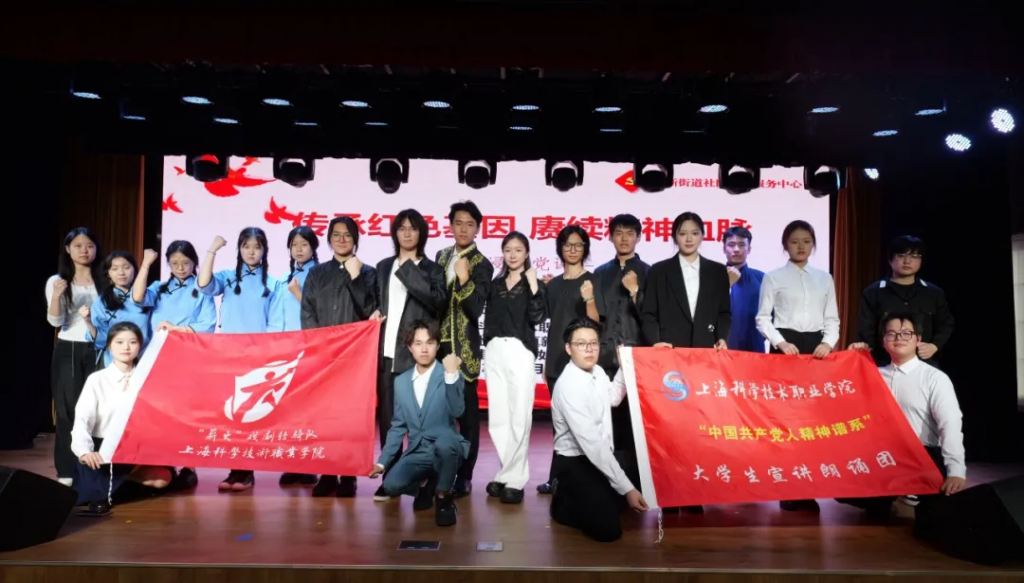
On June 13, at the invitation of the Zhenxin Subdistrict Party-Mass Service Center, the university’s “Spirit of the CPC” Student Narration and Recitation Troupe and the “Xinhuo” Drama Troupe participated in the themed Party Day event titled “Carrying Forward Red Genes, Continuing the Spiritual Legacy.” The event attracted viewers from various organizations, including Jintang Community, Zhenxin Nursing Home, the Urban Construction Center, and Haomeijia, and became a highlight of the occasion. In April 2025, the school’s “Reciting and Narrating the Spirit of the Party” project was selected for Jiading District’s “Integrated Services” Party-building resource list.

The student actors of the “Xinhuo” Drama Troupe brought the May Fourth Movement to life through a gripping immersive performance, vividly portraying the passion and determination of patriotic youth striving to save the nation. Their emotional and powerful stage expression allowed the audience to deeply feel the indomitable spirit of the revolutionary pioneers.

The “Spirit of the CPC” Student Narration and Recitation Troupe presented “Studying the Great Founding Spirit and Sincerely Reflecting on the Party’s Original Aspiration,” a stirring performance filled with strength and heartfelt emotion. Through their voices, they connected the spiritual milestones of the CPC’s century-long journey, moving the audience and resonating throughout the venue.

This performance was part of the “Zhenxin Family” themed event month organized by the Zhenxin Subdistrict Party-Mass Service Center. Both programs were created by the School of Marxism and the Student Affairs Office, with Vice Director of the Student Affairs Office, Ms. Lu Yuanyuan, leading the student delegation.

The event not only exemplified the college’s vivid practice of integrating ideological education through the “Big Ideological and Political Classroom” but also marked an innovative effort to build a collaborative community for red culture communication between the school and the local area. By extending the Party’s history and spirit into the grassroots level through artistic forms of narration, the School of Marxism and the Student Affairs Office strengthened students’ political identity and sense of mission while infusing community Party-building with youthful energy.

Looking ahead, the college will continue exploring innovative educational formats such as recitation and immersive drama to align red education resources with social needs. These efforts aim to make the Party’s innovative theories deeply resonate with the public and contribute valuable insights and strength from higher education to Jiading District’s “Integrated Services” Party-building initiative.
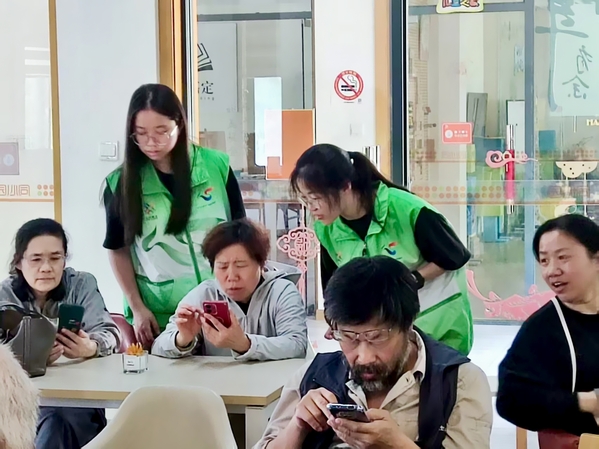
As smartphones become an increasingly important tool for capturing life’s moments, many elderly community members struggle to navigate their complex camera features. To help bridge this digital gap, the Information Technology Club organized a public service photography workshop for seniors on April 18 at 1:30 PM at the Jiading Industrial Zone Party-Mass Service Center.

Led by faculty advisor Xu Yuping, with support from volunteers Yang Yuzhe and Hu Bingye, the event offered seniors a hands-on and engaging learning experience focused on smartphone photography techniques.

The atmosphere at the event was warm and lively. Xu Yuping arrived early to prepare and greeted participants with enthusiasm, taking time to chat with them about their photography habits and build rapport. Her session began with a user-friendly presentation covering the basics of phone camera functions, gradually introducing key techniques such as focus, exposure, and composition.

Using her own phone, Xu explained that proper focus is key to taking sharp photos, and demonstrated how to adjust focus based on different subjects. She also introduced exposure concepts using photo examples and led a practical exercise for participants to adjust exposure settings and compare results.

To explain composition—the soul of photography—she presented examples and explained methods like the rule of thirds, symmetry, and leading lines, guiding seniors through live photo exercises and offering personalized feedback.

Throughout the event, volunteers Yang and Hu provided one-on-one assistance, helping participants with hands-on operations and clarifying technical points in simple terms.

This workshop not only helped seniors gain valuable photography skills but also enriched their cultural lives. The Information Technology Club plans to continue developing innovative community programs, encouraging students to apply what they’ve learned in class to serve the broader community. With care and patience, the club is helping bridge the digital divide for older generations—one photo at a time.

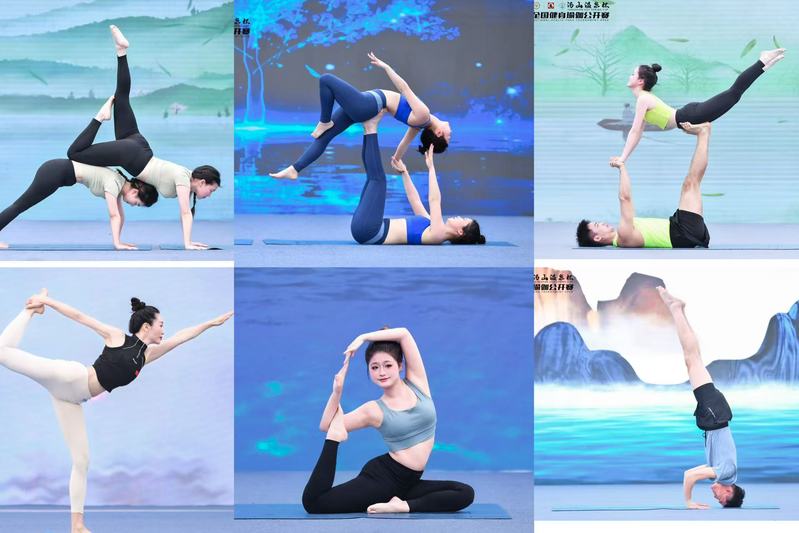
From May 23 to 26, 2025, the 2025 National Fitness Yoga Open (Tangshan Station), organized by the Social Sports Guidance Center of the General Administration of Sport of China, was successfully held at Tangshan Mine Pit Park in Nanjing. The competition attracted a record-breaking participation of 52 teams and 480 individual athletes from 29 cities across China, marking it as the largest edition in the event’s history.

After multiple rounds of intense competition, the Yoga Team of Shanghai Polytechnic College won 12 awards in total. Notably, the team secured 3rd place nationally in the College Group Prop Routine, marking the school’s first time entering the national top three in this competition and achieving a historic breakthrough.

Strong Team, Remarkable Results

The team was led by He Yunjian, Deputy Director of the Department of General Education, with Chen Yanke serving as head coach. A total of 8 student athletes competed in various events, including college men’s singles, women’s singles, women’s pairs, mixed pairs, college group prop routine, and duanwei (rank-based) routines.

Participants: Zhang Yuan, Yu Jia, Zeng Yiyi, Weng Anqi, Xue Fengfei, Guo Yi, Tong Yuxuan, Tang Jiahuan

Final results included:

  • 3rd Place Nationwide – College Group Prop Routine
  • Second Prize – Coach Chen Yanke
  • Third Prize – All 8 student team members including Zhang Yuan and Weng Anqi
  • “Excellent Coach” Award – Chen Yanke
  • “Outstanding Team” Award – Shanghai Polytechnic College
First-Year Students Excel in Their Debut

All 8 participating students were first-year undergraduates, and this event marked their first appearance in a yoga competition. They were selected from the school’s yoga elective course, a testament to the college’s reform in physical education, which allows students to choose sports classes based on their personal interests.

This reform has not only increased student engagement in physical activities but also nurtured talent for professional-level competitions. With strong foundations built during regular classes and two weeks of intensive pre-competition training, the students embraced the spirit of “training through competition,” leading to rapid improvement and excellent performance.

A Milestone in Sports Education Reform

The impressive results achieved by the yoga team reflect the success of the school’s innovative physical education reforms. After the competition, team members expressed their heartfelt sentiments:

“This honor belongs to the whole team. Looking ahead, we will continue to refine our yoga skills, contribute to national fitness efforts, and promote a healthy and positive sports culture under the banner of Shanghai Polytechnic.”

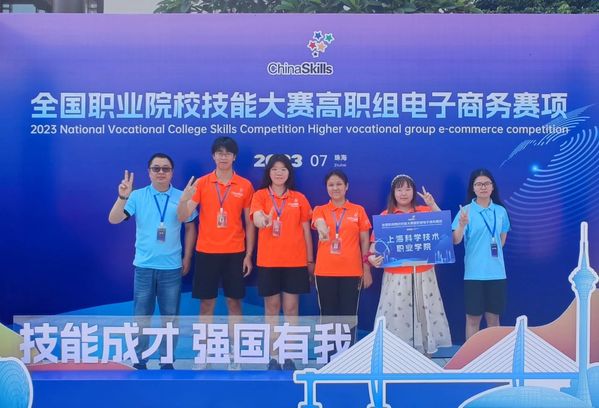
On July 26, 2023, the E-Commerce event of the 2023 National Vocational Students Skills Competition (Higher Vocational Group) successfully concluded at Guangdong Polytechnic of Science and Technology. After intense competition, four students from Shanghai College of Science and Technology — Lu Shuangping, Ouyang Junhao, Hao Jiaqi, and Huang Qiwen — stood out with their solid skills and steady performance, winning the national first prize. Instructors Yang Weiqiang and Li Liqun were honored with the “Excellent Instructor Award.” This marks the first gold medal for Shanghai in the e-commerce category of the national competition.

Photo of Award-Winning Students and Their Instructors

The 2023 competition covered e-commerce product development, visual marketing, and online store operations, with a focus on assessing participants’ data analysis, visual design, marketing planning, online promotion, e-store management, supply chain coordination, and teamwork. As a team event, four participants were required to work collaboratively to complete all tasks, making this both a skills and teamwork challenge. Guided by their instructors, the team prepared diligently, refined their strategies, and sharpened their professional capabilities — ultimately claiming the title and making history for the school and the city.

With youth and ambition, we shape the future. This national-level achievement reflects the school’s strong educational quality and comprehensive strength. The school will continue using high-level competitions as a platform to promote integrated education, learning through competition, and curriculum improvement. This milestone adds momentum to the development of high-caliber technical talent and contributes significantly to the school’s “Double High Plan” achievements.

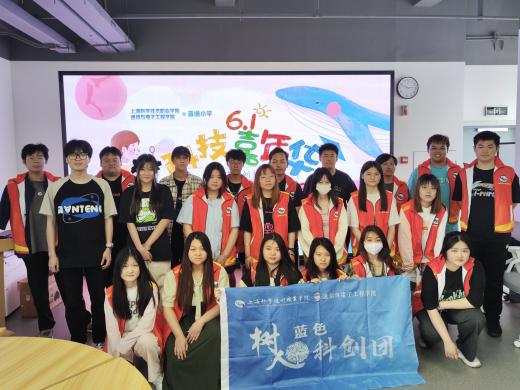
On May 31, the School of Communications and Electronic Engineering co-hosted a “June 1st Science Carnival” and a themed Science and Innovation Day with Jiading District General Primary School. The event also served as an exchange platform to promote integrated educational efforts across primary, secondary, and higher education. A total of 19 university students from the “Shuren Blue Tech Team” served as activity mentors for 57 students from grades 3 to 5, engaging them in a series of hands-on science and technology experiences.

The event began with an interactive science and technology exhibition. Vice Secretary Xu Yunfeng welcomed the visiting teachers and students and gave a detailed introduction to the day’s activities. Vice Dean Yang Chunlei inspired curiosity and excitement by engaging students in discussions about cutting-edge technologies like drones and AI. Participants experienced drone flight simulations, hands-on drone flying, and the RoboMaster AI battle experience, giving them a powerful first-hand taste of modern tech.

During the innovation practice segment, under the guidance of their mentors, the students explored AI-generated graphic design. Using pixel-based 3D modeling software, they deconstructed images into pixel blocks and recreated them using building bricks and base plates. This hands-on activity fostered their creativity, problem-solving, and innovation skills.

Throughout the sessions, students translated abstract ideas into physical creations. They brought to life the saying, “True understanding comes from doing,” as they applied what they learned in a tangible and creative way—building a solid foundation for future growth in innovation and technology.

During the school exchange, project leaders from both schools shared insights and reached a mutual understanding on furthering integrated educational development. Since 2015, the two schools have collaborated on initiatives such as the “Love and Protection” volunteer service program. This latest partnership marks a step forward in integrating classroom learning with broader social experiences, taking co-education efforts from campus into everyday life.

At the event’s conclusion, students were awarded certificates recognizing their achievements, such as “Little Craftsman of the Times,” “Creative Designer,” and “Hands-on Star.” Each student also received a Children’s Day gift. Mentors shared heartfelt messages encouraging students to keep their curiosity alive, continue exploring, and pursue their dreams in science and innovation.

The event was a successful example of inter-school collaboration, fostering creativity in young students while helping university students develop leadership and communication skills. With continued cooperation, the two schools aim to create a supportive environment for holistic talent development and contribute to nurturing a new generation of capable and well-rounded individuals.

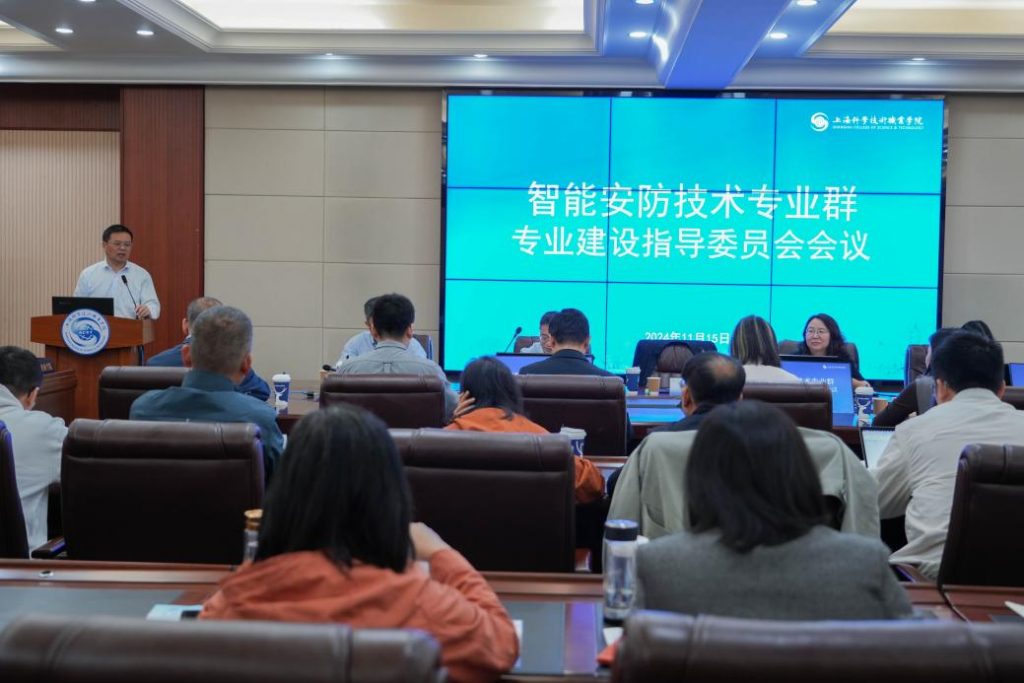
On November 15, 2024, the School of Communications and Electronic Engineering held its annual advisory committee meeting for the “Smart Security Technology Program Cluster.” School leadership, including Vice President Han Fang and Associate Dean Yang Yiming, along with faculty representatives and committee members, attended the meeting. Professor Cai Hong, Party Secretary of Shanghai Agricultural and Forestry Vocational and Technical College and Director of the Advisory Committee, chaired the session.

Vice President Han expressed appreciation for the committee’s guidance and emphasized the importance of industry-education integration in advancing the program. The school aims to strengthen partnerships with global companies like Schneider Electric and Phoenix Contact and collaborate with the China Academy of Information and Communications Technology on a new digital manufacturing center.

During the meeting, new committee members and industry professors were appointed, and Vice Dean Xu Pai presented the latest progress report on the program cluster. Attendees engaged in discussions on curriculum development and training center construction, offering valuable suggestions.

Professor Cai concluded with a summary, encouraging deeper collaboration with industries and industrial parks to enhance talent development. The meeting concluded with a tour of the Smart Security Demonstration Lab.

The session clarified future goals and reaffirmed the school’s commitment to producing high-quality talent through deeper integration of education and industry.

Recently, the School of Communications and Electronic Engineering achieved remarkable success across various areas of work in 2024, earning multiple prestigious awards. These honors fully demonstrate the school’s comprehensive strength in teaching, research, faculty development, and student training.

In performance evaluations, seven faculty and staff members received the “Excellent” rating for the 2024 annual performance review—an affirmation of their hard work and outstanding contributions over the past year. The school itself was also recognized as an “Excellent Secondary Unit” in the university’s comprehensive evaluation, highlighting its efficiency and excellence in management.

In the field of ideological and political education, the School of Communications made impressive progress. One faculty member was honored with the “Outstanding Ideological and Political Educator” title, reflecting the school’s in-depth efforts and achievements in political education. The school remains committed to fostering well-rounded socialist builders and successors through comprehensive development in morality, intellect, physique, aesthetics, and labor.

In skilled talent development, two faculty members were awarded the title of “University-Level Master of Skills,” showcasing their profound expertise and influence within their professional fields. Their efforts have played a crucial role in cultivating a large number of high-quality, skilled professionals.

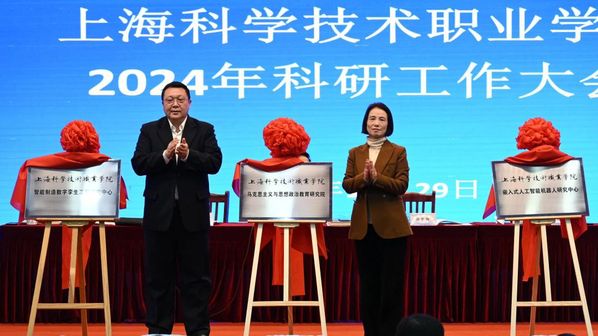
Research remains a cornerstone of the school’s development. The School of Communications was recognized as an “Advanced Research Group (2021–2024)” at the university level, demonstrating its strong capabilities in scientific innovation. In addition, the Embedded Artificial Intelligence Research Innovation Team was named a “University-Level Research Innovation Team,” and the Embedded AI Robotics Research Center was selected as a “University-Level Research Platform.” These achievements will further propel the school’s research to new heights.

The school also saw significant accomplishments in teaching. It received a second prize in the University-Level Teaching Achievement Awards, and the Security Technology Program was honored as an “Advanced Teaching Unit,” reflecting high recognition of the school’s educational efforts. Moreover, the Embedded Systems Technology course was named a “Municipal-Level Premium Online Open Course,” adding another highlight to the school’s teaching resources.

In the university’s Young Faculty Teaching Skills Competition, five individuals from the School of Communications received awards, showcasing the talent and capability of the school’s young educators. Additionally, the school won a third prize in the University-Level Faculty Teaching Ability Competition, and two individuals were honored as “Advanced Individuals in Teaching Style Development,” further motivating the faculty to continuously enhance teaching quality and excellence.

In curriculum-based ideological and political education, the school achieved excellent results as well. The course Linux Operating System Applications was named a University-Level Model Course in Curriculum Ideology and Politics, setting an example for such efforts. The school also received a first prize and a third prize in the University-Level Outstanding Curriculum Ideology and Politics Cases, marking significant progress in this area.

The numerous honors earned by the School of Communications in 2024 are a comprehensive recognition and encouragement of its accomplishments over the past year. The school will continue to uphold the spirit of its motto—”Virtue, Knowledge, Pragmatism, Innovation”—and strive forward in teaching, research, faculty development, and student cultivation, making even greater contributions to talent development and socio-economic progress.

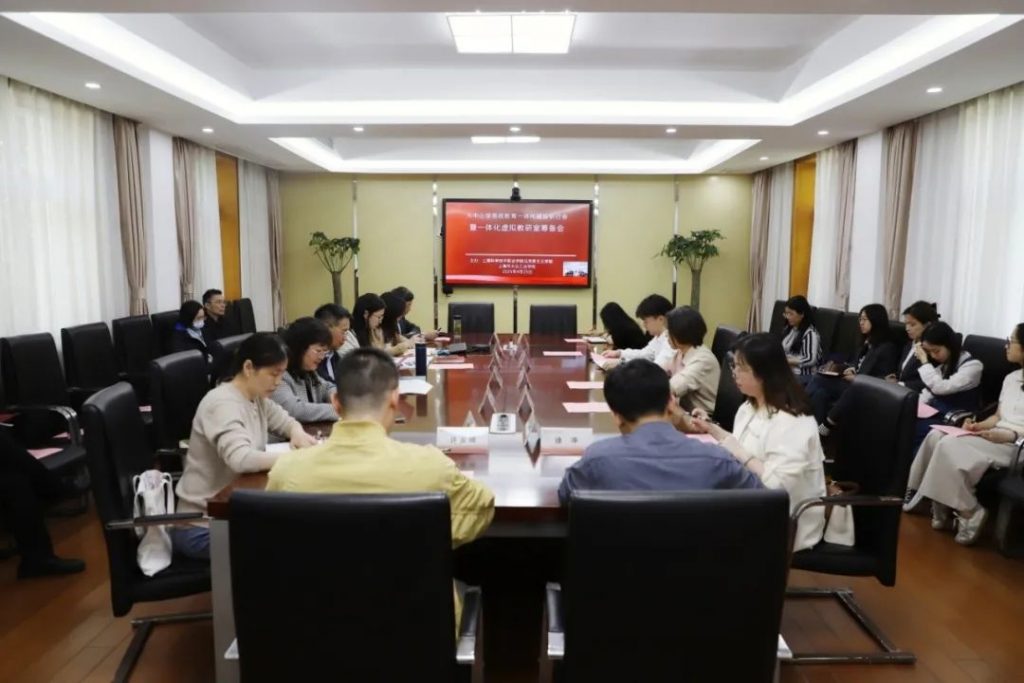
On the afternoon of April 25, 2025, the Seminar on Integrated Ideological and Political Education Across Universities, Secondary, and Primary Schools, along with the Preparatory Meeting for the Integrated Virtual Teaching and Research Office, was successfully held at Shanghai College of Science and Technology. Experts and leaders from institutions including Shanghai University of Sport, Shanghai Industrial and Commercial Polytechnic, Qiliang Middle School of Jiading District, Jiading Elementary School, and Jiading Museum gathered to explore the charter for the integrated virtual teaching and research office and discuss new approaches to ideological and political education integration in the new era. Yang Yiming, CPC Committee Member and Vice President of the college, attended and delivered remarks. The seminar was hosted by Wang Yina, Dean of the School of Marxism at the college.

In his speech, Yang Yiming emphasized that ideological and political education is a key component in fulfilling the fundamental mission of moral education. Promoting integrated education across school levels requires breaking down barriers between educational stages to form a collaborative teaching system. He highlighted that the seminar’s core task was to discuss the Charter for the Integrated Virtual Teaching and Research Office for Ideological and Political Education, centered on the principles of “co-construction and sharing, rotational coordination, and innovative development” to build a cross-level teaching and research community. He shared three key points: first, to build consensus and enhance synergy; second, to drive innovation through technology; and third, to promote openness and share high-quality resources, offering valuable insights for integrated ideological and political education.

Gao Xiaoli, Deputy Dean of the School of Marxism at Shanghai University of Sport, shared the university’s practices in building its School of Marxism, reforming ideological and political courses, and promoting integrated development across educational levels, proposing a “Five Ones” model as a reference. Wang Yina provided an in-depth interpretation of the Draft Charter, outlining core tasks such as developing integrated lesson plans, organizing red-themed experiential learning, sharing teacher training resources, and fostering innovation in teaching and research. The integrated virtual office is envisioned to operate through a rotational leadership system and dynamic collaboration mechanisms, serving as a regional engine to connect ideological and political education across different educational levels.

Cao Biwen, Dean of the School of Marxism at Shanghai Industrial and Commercial Polytechnic, proposed a “Seven Ones” construction plan for the virtual office. Ding Caixia, Deputy Dean of the School of Marxism at Tianhua College of Shanghai Normal University, suggested building a long-term mechanism through resource sharing and research collaboration to ensure sustainable cross-level cooperation. Wang Yali, Deputy Secretary of the Party Committee at Shanghai Dazhong Industrial School, noted that vocational schools often represent a weak link in integration and should leverage industry-education integration and vocational education characteristics to participate in virtual office development. Representatives from several vocational, secondary, and elementary schools, along with the Party Committee of the School of Communication and Electronic Engineering, offered insightful ideas and suggestions tailored to their contexts. Jiading Museum and Jiading Urban Planning Exhibition Hall proposed building a “Big Ideological and Political Class” experiential learning base. Chaoxing Fanya Group showcased applications of digital technologies such as AI-powered student analytics, AI teaching assistants, and virtual simulation in ideological and political course reform.

The seminar featured in-depth discussions on the charter, reaching multiple consensuses. The next steps include signing cooperative agreements, finalizing the charter, building the virtual platform, and launching joint activities. This collaborative initiative aims to reshape the ecosystem of ideological and political education with digital technology, foster integrated teaching and research across all educational levels, and create a shared ideological education framework. Through innovation and synergy, the initiative seeks to pass on the torch of thought from one stage to the next, supporting the cultivation of a new generation prepared to shoulder the task of national rejuvenation.

Attendees included leaders and representatives from the School of Marxism at Shanghai University of Sport, Tianhua College of Shanghai Normal University, Shanghai Industrial and Commercial Polytechnic, Shanghai Dazhong Industrial School, Shanghai Economic Management School, Shanghai Information Technology School, Shanghai Qunxing Vocational School, Shanghai Second Light Industry School, Qiliang Middle School of Jiading District, Jiading Elementary School, Jiading Museum, Jiading Urban Planning Exhibition Hall, Chaoxing Fanya Group, the School of Marxism and the Party Committee of the School of Communication and Electronic Engineering at Shanghai College of Science and Technology.

The School of Communication and Electronic Engineering at Shanghai College of Science and Technology has made significant strides in advancing its research capabilities with the establishment of the Embedded Artificial Intelligence Innovation Team. Focusing on embedded AI robotics, the team has become a signature initiative of the school’s scientific innovation efforts.

Supported by the Embedded AI Robotics Research Center, the team is composed of experts in embedded systems, AI algorithms, hardware engineering, and software architecture, forming a robust interdisciplinary force. With strong backing from platforms like the Smart Security Technology Training Center and the Tencent Cloud AI Industry Academy, the team benefits from state-of-the-art facilities and a collaborative research environment.

By partnering with companies such as Shanghai Comagic Microelectronics Co., Ltd., the team leverages shared resources to deepen and broaden its research platform. It has successfully undertaken both vertical and horizontal research projects, including technical collaborations with firms like Jiaxing HELLA Lighting and Shanghai ZF Transmission, translating research into practical, enterprise-level solutions.

Academically, the team has published several high-quality papers in renowned journals, including studies on naval cybersecurity and intelligent IoT gateways. Multiple patents and software copyrights have also been secured and commercialized, generating notable economic value.

In talent development, the team plays a vital role. Under the guidance of experienced faculty like Yang Chunlei, students have excelled in national competitions such as the Vocational Skills Competition and the “Internet Plus” Innovation and Entrepreneurship Contest, earning awards for innovative designs like smart electronics and intelligent UAVs.

Looking ahead, the team plans to further explore embedded operating systems, AI, and machine learning applications, with a strong emphasis on technological innovation, industry collaboration, and talent cultivation. With clear direction and a unified vision, the Embedded AI Innovation Team is set to lead the school to even greater achievements in embedded AI robotics research.

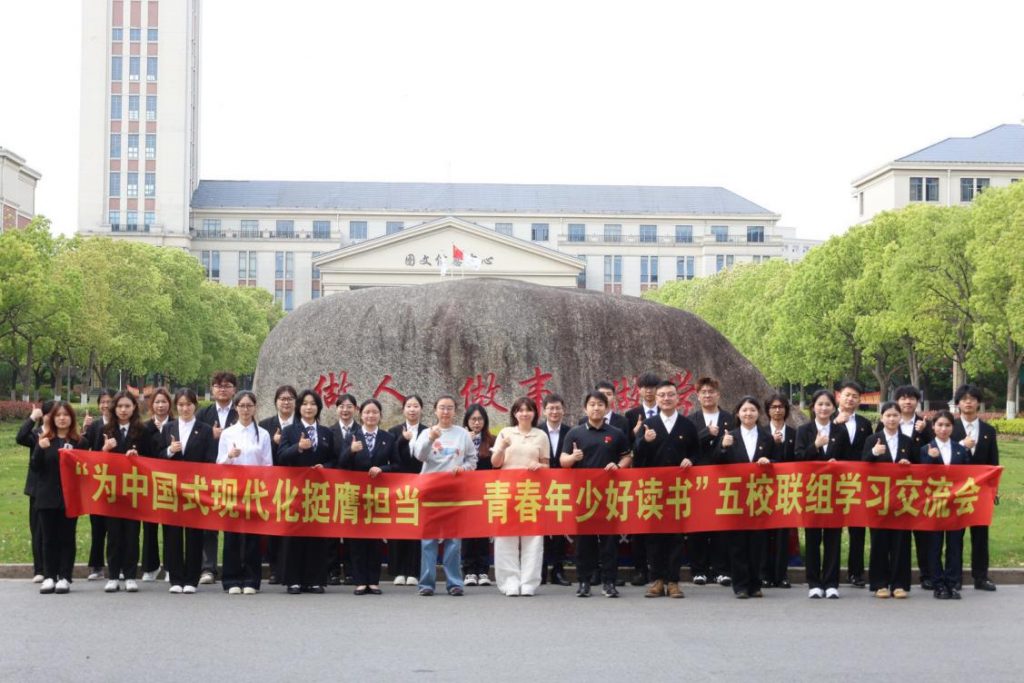
On April 23, 2025, in celebration of the 30th World Book Day and under the guidance of the Shanghai Student Federation, the joint themed study and exchange meeting titled “Reading Well in Youth, Shouldering the Mission of Chinese Modernization” was successfully held. The event was led by Shanghai Zhongqiao Vocational and Technical University and co-organized by Shanghai Vocational College of Agriculture and Forestry, Shanghai Institute of Tourism, Shanghai College of Science and Technology, and Shanghai Technical Institute of Electronics & Information. The event aimed to thoroughly study and implement Xi Jinping Thought on Socialism with Chinese Characteristics for a New Era and to inspire youth to strengthen faith, gain wisdom, correct conduct, and promote action through learning.

Our college’s “Spirit of the CPC” Student Recitation and Public Speaking Troupe delivered an outstanding presentation themed “Love to Read, Read Well, and Read Wisely,” highlighting how youth in the new era empower themselves through learning and shoulder responsibility with confidence.

1. Understanding the Essence of “Three Types of Reading” to Build a Foundation of Belief

During the student sharing session, troupe leader Liu Yilin delivered a keynote speech titled “Love Reading, Read Well, and Read Wisely—Growing Through Reading.” He drew insights from the book Xi Jinping and His University Friends, sharing stories of President Xi’s perseverance in self-study during his time in Liangjiahe. As a student majoring in mechatronics, Liu related his message to professional practice, using a smart manufacturing course project to explain how effective reading must be integrated with hands-on learning. He called on young people to embrace the “three types of reading” to cultivate patriotism, strengthen resolve, and solidify their personal growth.

2. Reading Books with and without Words to Sharpen Real Abilities

Member Cui Siyu delivered a speech titled “Read Books with Words, Master Books without Words,” echoing Xi Jinping’s metaphor of balancing theory and practice. She emphasized how both textual and experiential learning are essential. As a broadcasting major, she reflected on her competition experiences and how theory is transformed into practical capability. She stressed the importance of integrating learning, thinking, and application, and aligning knowledge with belief and action.

3. Pursuing Dreams with the Party, Growing Together through Shared Learning

The speeches resonated with students from all five colleges. Our troupe’s integration of Xi Jinping’s reading philosophy and professional insights sparked meaningful discussion. Student representatives actively engaged in conversations on topics such as volunteer service, and participated in activities like touring the Art School and painting traditional Jinshan farmer art, strengthening friendships and building consensus—reflecting the spirit of “learning and growing together.”

Chuzidi, Deputy Secretary of our Youth League Committee, emphasized the college’s commitment to fostering values through reading, and using platforms to guide students in strengthening their beliefs and honing their skills. Moving forward, the college will develop a system of theoretical learning, practical training, and cultural immersion to support students in crafting their own chapters of youthful success.

4. Deepening Collaborative Education and Inspiring Progress

This joint study exchange was part of the “Big Ideological and Political Classroom” initiative and represented a meaningful step in collaborative education across institutions. It encouraged students to enhance their moral character and leadership through the “three types of reading.” In the new era, youth must lay firm foundations of belief, live out their mission, and strive to become capable contributors to national rejuvenation.

Attendees included Zhang Shizhe, Executive Chair of the Shanghai Student Federation; Xue Fei, Deputy Secretary of the Youth League Committee and Deputy Secretary-General of the Student Union at Shanghai Zhongqiao Vocational and Technical University; Hu Yuqian, Secretary-General of the Student Union at Shanghai Vocational College of Agriculture and Forestry; along with student representatives from the five participating schools. The event concluded successfully, inspiring students with renewed cultural confidence and momentum and marking solid progress in building a collaborative “Big Ideological and Political” education framework.